In the world of high-end VFX and Houdini simulations, there's a long-standing myth that "big work" requires "big local hardware." We picture dark rooms filled with humming server racks and massive workstations. But Yan Paul Dubbelman is busy proving that the only thing you truly need to create movie-scale art is a vision—and perhaps a decent Wi-Fi connection.
Yan Paul has carved out a unique space in the industry, blending technical mastery with a nomadic spirit. Whether he's working from a bustling cafe or a quiet remote getaway, his output remains uncompromising. We sat down with him to discuss how he manages massive simulations on a laptop, the importance of keeping your creative flow "light," and why the future of VFX belongs to the artists who aren't afraid to move.
1. Introducing the artist
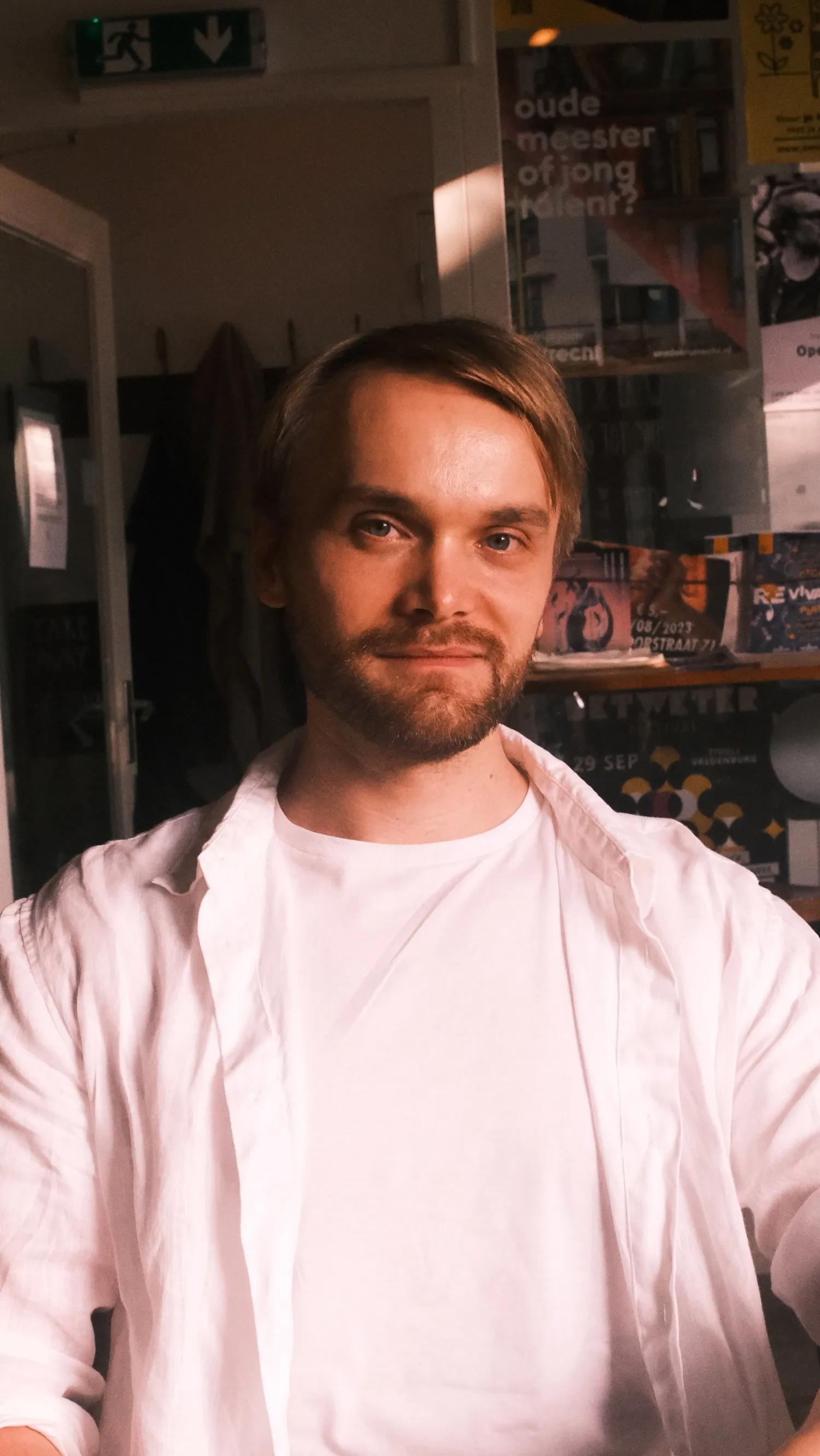
For people who may not know your work yet, how would you describe what you do as an artist, not in terms of tools, but in terms of what excites you creatively?
I'm a traveling artist creating calm digital nature for Screens, Spaces and Skies. That's the tagline, expanding a bit more, I am looking for exciting technical challenges that artists might have that I can solve using smart creative solutions. I'm moving around quite a lot but I'm writing this from Seoul, South Korea, one of my favorite places to work from. Combining creative technology with cultural exchange is constantly engaging and inspiring and I'm lucky to have clients who appreciate that spirit.
Identity as an artist
Do you see yourself more as a technical artist, a visual storyteller, or something in between? And has that balance shifted over time?
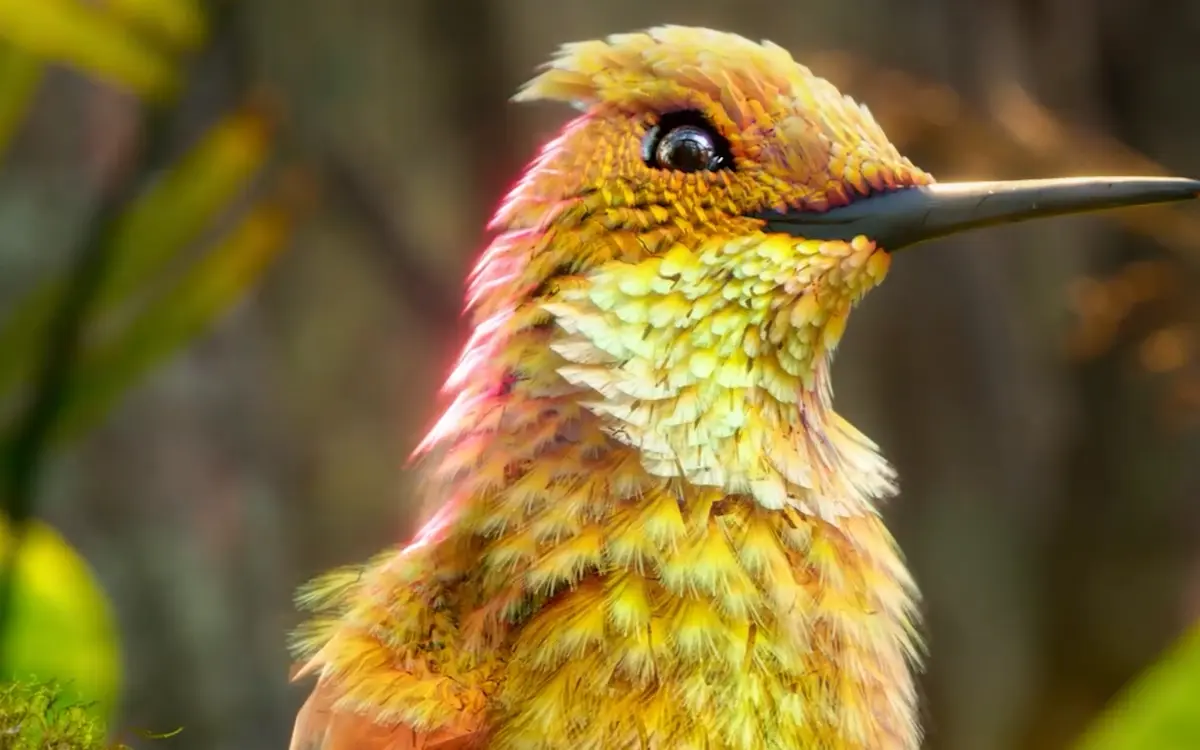
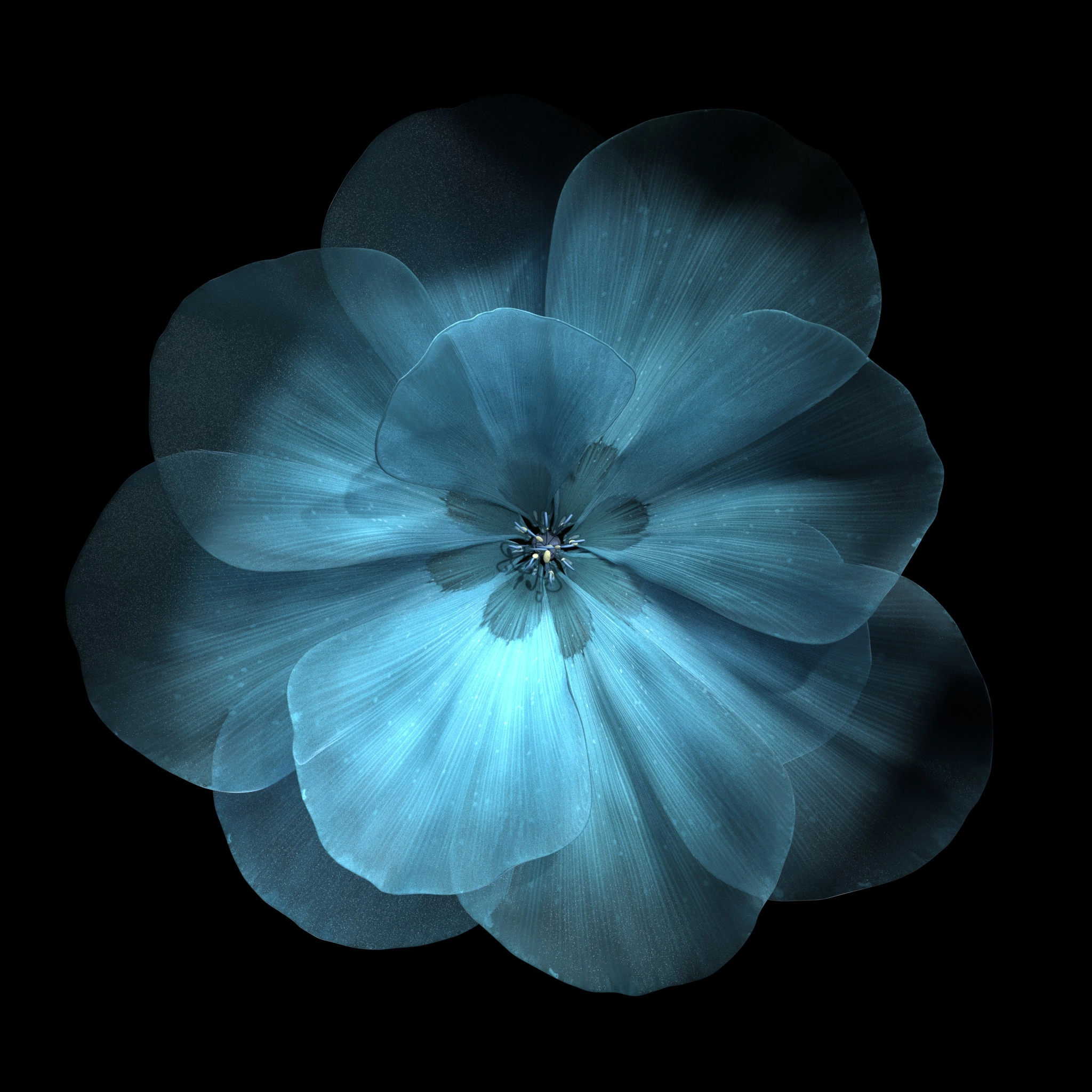
Most visual artists think I'm very technical and technical artists think I'm very visual, so I think I'm somewhere in between. I embody a nice mix of Tech, Art and Professional skills that make it possible for me to take responsibility for a set of challenges in a team. Ideally I work on figuring out that one hard question so that the rest of the team can continue working comfortably, sometimes that means creating a system to simulate very long sequences of flowers blooming in Houdini, so that the rest of the team can use those renders to build an interactive experience. Other times it means "converting" existing 3D models into a format that the Apple Vision can read, but doing that in a way which doesn't disrupt the workflow of the team building the models.
I'd say what changed is that feeling of "responsibility". Over the years I've gained the confidence and know-how to figure out solutions that combine different workflows, being given that task is challenging in the best way.
The nomad mindset
You work in a way that many artists still see as unconventional, building large-scale Houdini work on a laptop and from different locations. Was there a specific moment where you realized you did not need to be tied to a traditional workstation or studio setup to do the kind of work you wanted?
It was the refresh of the MacBook Pro(Max), the massive increase in CPU speed combined with everything that Apple is known for, especially the quiet machines, made it a lot more comfortable to travel and work from anywhere. The feeling of using light-weight machines(relatively) completely altered the way I work with people. I can do a presentation on one of the installations we're making and pull up the Houdini project and show the scene, in real time, because it's the same project actually being used to create the final output. It turns a heavy project into something you can have a conversation about, this inspires confidence and collaboration.
While the macbook's CPU really is impressive, the GPU isn't as fast as I need, so working with Drop and Render completed the puzzle for me. Preview renders on the Mac, the real deal on D&R, it keeps my workflow smooth while allowing me to get thousands of high quality frames, fast.
Taste versus technique
Houdini attracts a lot of technically driven artists. How important is artistic taste to you compared to technical complexity, and how do you stop the tools from overpowering the idea?
This question divides the artist from the engineer. If you go deep into Houdini you'll realize that just about anything is possible, I use it to create drone shows, for instance. But there is a definite shift in my mind when I'm in that engineering-mode and the artist-mode, the best way to describe it is that it feels like an engineer builds tools and machines and an artist uses those tools to create the finished result. I enjoy that switching, I'm not sure on which side I fall.
One thing I like to do is work with established artists who have great ideas and a huge amount of artistic experience but who might not have focussed on learning complicated 3D software, working with those artists allows me to open them up to new possibilities and projects while pushing my own creative limits.
Scale and intention
Your work often feels large, cinematic, and carefully composed. When you start a new piece, are you thinking about scale from the beginning, or does it emerge naturally as the project develops?
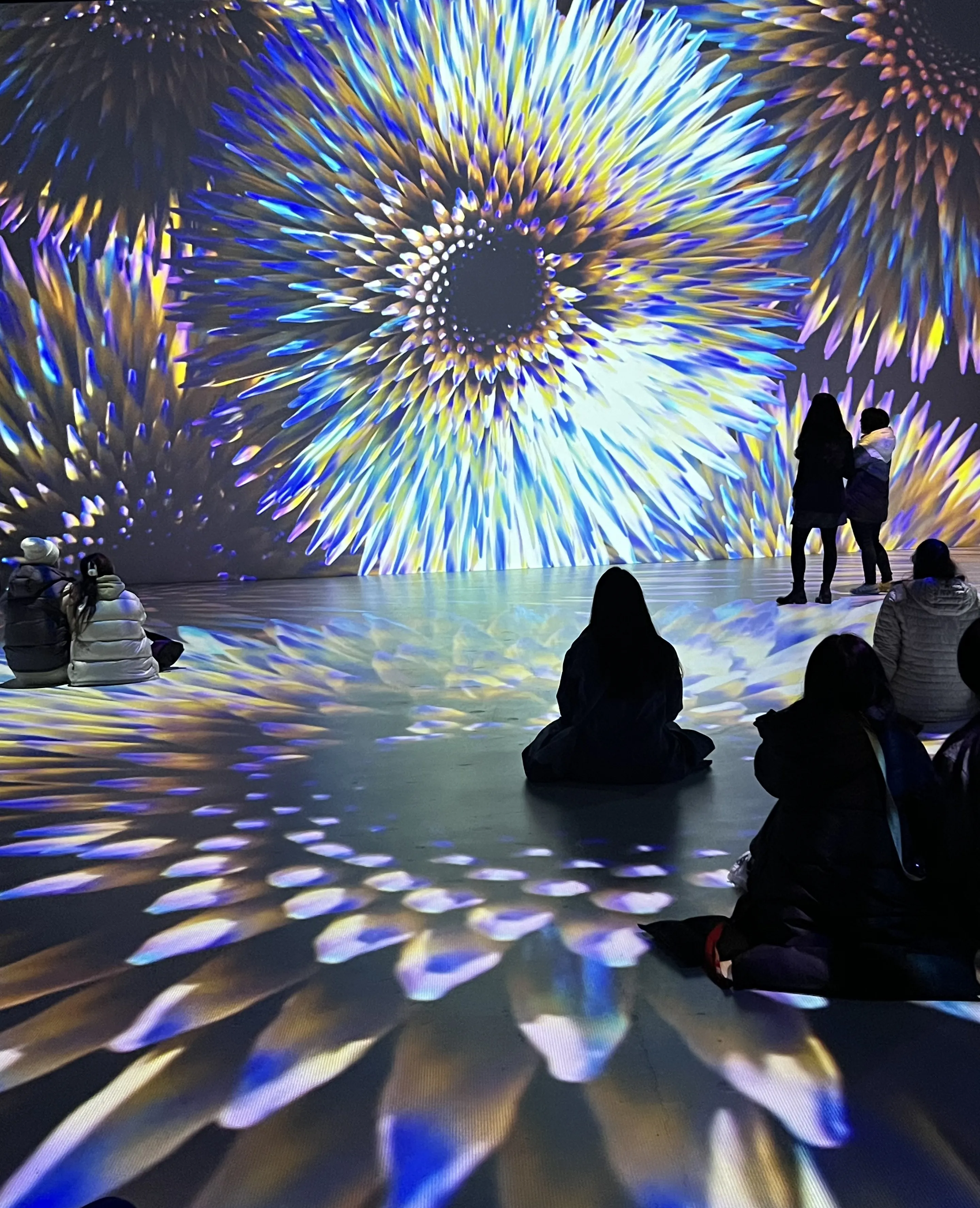
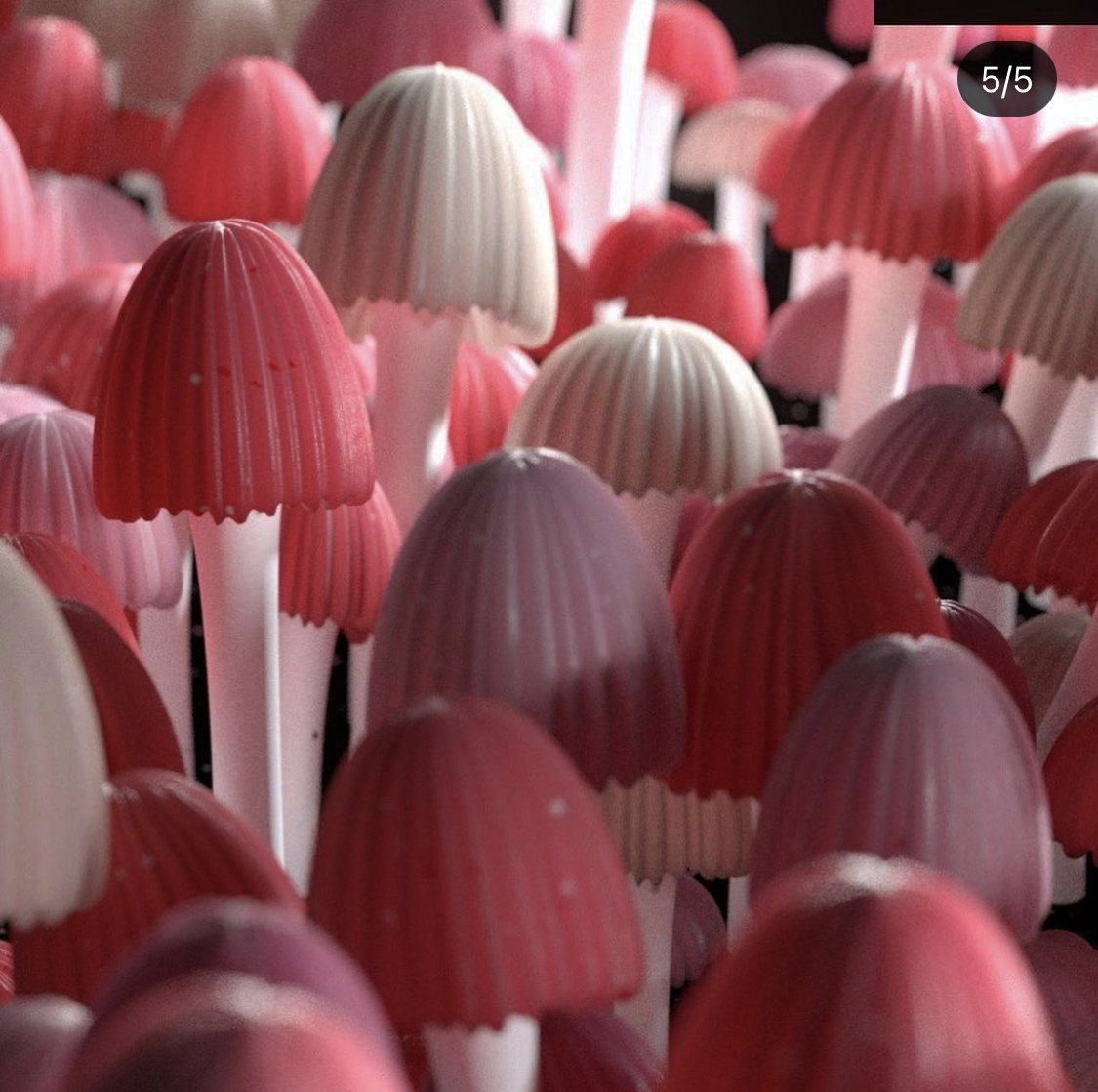
That's a great question, one of my creative quirks is that I am focussed on creating plants and flowers "how they should be", so I don't want to have any intersections, odd geometry or stray too far from nature. Because of that I can capture any side of my subject and comfortably create renders that work on any screen.
However, a small flower blown up to a 20 meter tall screen does change the elegance of the flower, it becomes imposing instead of calming which was an interesting surprise, it made me reflect on the many sides of nature and helped me develop a feeling of "awe" in my work which is what I'll be focussing on in 2026.
The Power of "Pause"
Your work is intentionally calm and meditative. In a world of fast-paced, high-octane VFX, why is it important to you to create art that allows the viewer to "pause"?
I made the decision to focus on the word Calm after I noticed that I naturally drifted to that feeling while I was experimenting. It's also a personal-branding decision, my goal is to compete as little as possible, looking for niches and unique projects that my work fits to naturally.
As a professional artists or designer we all feel the pressure of getting enough clients which leads to analyzing the competition and trying to mirror or out-do them. I'm trying to resist that pressure by telling everyone I don't do fast and I don't do harsh. I don't get a lot of messages from motion-design studios, let alone VFX studios, but I do get in touch with artists, galleries, government institutions and startups who want something warm, calm and confident.
I also focus on creating projects that "live" for a long time, what I mean by that is that I'd like my media to be viewed for months instead of days. Because of that I tend to work on websites, exhibitions and shows.
Learning the "Hard" Software
You made the jump from Cinema 4D to Houdini during the pandemic. For artists who are intimidated by Houdini's technical reputation, what was the most important mindset shift you had to make?
I'll never say Houdini is easy, but the learning curve can be flattened a lot by resisting the urge to go into simulations quickly. The first time I really bit into the software I made a simulation of a cloud, it took me about 2 weeks of messing around, waiting for the simulation, being confused by all the settings and trying again. At the end I had an okay cloud simulation but I'm not sure how much I actually learned about Houdini.
After that I focussed more on learning from Motion Designers, Paul Esteves, Nick Medukha are two great sources of inspiration. They show a very practical, step by step process on how you can get great looking results while picking up skills.
I've also released 2 courses with Houdini School, each looking at different aspects of how I create digital nature. In those courses I repeat the same mantra that I presented during my SideFX talk at OFFF in Barcelona, 2025: "I don't know how to code and I don't like to wait, and neither do my clients". This results in setups that are very flexible, easy to understand and easy to share in creative teams. I tend to leave simulation to the very end of the creative process and I genuinely don't know how to use VEX code much, although AI is helping me recently.
Managing massive data
Large simulations come with large cache files, and that alone can shape how you work. How did moving storage and heavy data management away from your local machine change the way you structure projects or think about disk space?
It's a painful process, you can do as much optimization as you want but eventually the massive amount of frames I need can't be avoided, a recent project for which I used Drop and Render had over 100k multi-layered EXRs and cache files, textures etc. The only real advice I have is to put as much storage on your machine as you can afford, it will pay off. Otherwise I use different cloud solutions which are constantly syncing.
The great thing about using Drop and Render is that you have your own mini-server where your assets stay until the end of your project, which avoids having to re-upload caches and assets, this definitely cuts down on frustration. I like the feeling of having uploaded just the project file, seeing that the assets were discovered on-server and the rendering starts, while I get in an airplane and when I land the render is done and I can start downloading.
Looking ahead
When you look at the next five years, how do you see your own work evolving? Are there things you want to explore that felt unrealistic or impractical before?
I'd like to continue being a bridge between exciting creative projects and their technical solutions. Machine Learning solutions add a lot of new workflow options so I'm looking forward to the practical tools that we can develop using that technique. I really hope VR is going to develop into something more wearable, I think that's a space I can do a lot in.
Until then I'll focus on increasingly complicated screens in East Asia, I'm trying to create an interactive experience on those massive outdoor displays. Working on Drone Shows also opened a door, creatively, to think about how to control devices and robots using publicly available software, I'm working on new solutions in that field.
Advice to the next generation
For artists who feel their ideas are bigger than their hardware or their current setup, what would you tell them? Not in terms of tools, but in mindset and how they should think about building sustainable creative workflows.
What helped me a lot is to "split myself in half" as I like to call it. One side of me is a professional, thinking about being efficient, quick and nimble, dealing with client expectations, deadlines and the rest of the team. The other side is an artist, only interested in exploring what is possible and not very interested in being efficient. Eventually those skills start intertwining and you'll be able to make money while challenging yourself creatively and you'll be able to develop as an artist while working together with people and companies.
Connect with Yan Paul Dubbelman
If you enjoyed this highlight and want to explore more of his work, you can follow Yan Paul and stay up to date through his official channels:
Instagram:
https://instagram.com/yanpauldubbelman
Discover behind-the-scenes moments, new artwork, travel impressions, and visual experiments.
Website:
https://www.yanpauldubbelman.com
Explore his full portfolio, projects, collaborations, and the philosophy behind his digital nature creations.